Navigating pregnancy is one of the most transformative journeys in a woman’s life. While it is filled with joy and anticipation, it also brings significant hormonal and metabolic changes. Among the most critical health aspects to monitor are diabetes and thyroid during pregnancy, two medical conditions that directly impact both maternal well-being and fetal development.
Understanding how blood sugar levels and thyroid hormones interact during gestation empowers expecting mothers to take proactive steps toward a safe delivery. In this comprehensive guide, we explore everything you need to know about managing diabetes and thyroid during pregnancy, from early diagnosis and symptoms to treatment plans and daily dietary advice.
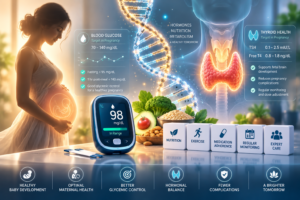
1. Understanding Diabetes and Thyroid During Pregnancy
When you become pregnant, your body undergoes massive endocrine changes. The placenta produces hormones that sustain the pregnancy, but these same hormones can interfere with how your body processes insulin and regulates thyroid function.
What is Gestational Diabetes?
Gestational diabetes mellitus (GDM) occurs when your body cannot produce enough insulin to meet the increased demands of pregnancy, leading to elevated blood sugar (glucose) levels. It typically develops during the second or third trimester.
How Thyroid Function Changes in Pregnancy
The thyroid gland regulates metabolism, energy levels, and cellular growth. During early pregnancy, the fetus relies entirely on maternal thyroid hormones for brain and nervous system development. Thyroid disorders during pregnancy generally fall into two categories:
-
Hypothyroidism (Underactive Thyroid): The body produces insufficient thyroid hormone (T4/T3).
-
Hyperthyroidism (Overactive Thyroid): The thyroid gland produces an excess of thyroid hormones.
When combined, unmanaged diabetes and thyroid during pregnancy can increase the risk of complications such as preeclampsia, premature birth, low birth weight, or developmental delays.
2. Common Symptoms to Watch For
Recognizing early warning signs allows for early intervention. Because many pregnancy symptoms overlap with endocrine changes, it is essential to monitor your body closely.
Symptoms of Gestational Diabetes
-
Excessive thirst and dry mouth
-
Frequent urination (beyond standard pregnancy levels)
-
Persistent fatigue or low energy
-
Blurred vision
-
Recurring urinary tract or yeast infections
Symptoms of Thyroid Dysfunction
-
Hypothyroidism: Unexpected weight gain, extreme cold sensitivity, dry skin, severe fatigue, and muscle weakness.
-
Hyperthyroidism: Rapid or irregular heart rate, heat intolerance, unexplained weight loss or failure to gain pregnancy weight, and hand tremors.
If you observe a combination of these symptoms, your obstetrician will likely order blood testing to evaluate your glucose levels and thyroid panel.
3. Essential Screening Tests for Expecting Mothers
Timely screening ensures that endocrine imbalances are corrected before they cause complications.
+--------------------------------+--------------------------------+----------------------------------+
| Screening Test                 | Recommended Timing             | Target / Normal Range            |
+--------------------------------+--------------------------------+----------------------------------+
| Fasting Plasma Glucose         | First Trimester (First Visit)  | Below 92 mg/dL                   |
| Oral Glucose Tolerance Test    | 24 to 28 Weeks                 | Fasting < 95, 1-hr < 180, 2-hr < 153 mg/dL |
| Thyroid Stimulating Hormone    | First Trimester (First Visit)  | Trimester-specific ( < 2.5–3.0 mIU/L ) |
| Free T4 (Thyroxine) Test       | First Trimester / Ongoing      | Within trimester reference limits|
+--------------------------------+--------------------------------+----------------------------------+
-
Oral Glucose Tolerance Test (OGTT): Measures how your body handles a standard dose of sugar after fasting.
-
TSH and Free T4 Panel: Evaluates the concentration of thyroid-stimulating hormone (TSH) and active thyroxine (Free T4) in your bloodstream.
According to global clinical guidelines published by the American Diabetes Association, early glucose and thyroid screening during early prenatal checkups significantly improves long-term health outcomes for both mother and child.
4. How Diabetes and Thyroid Function Interact
There is a strong connection between metabolic health and thyroid function. Thyroid hormones influence insulin secretion and glucose metabolism.
-
Hypothyroidism can slow down metabolism, making insulin clearance slower and increasing the likelihood of insulin resistance.
-
Hyperthyroidism speeds up metabolism, which can cause rapid breakdown of insulin and lead to elevated blood sugar spikes.
Managing diabetes and thyroid during pregnancy requires a holistic approach because an imbalance in one system frequently impacts the other.
5. Medical Management Strategies for Pregnant Mothers
Treating diabetes and thyroid during pregnancy is safe and highly effective when overseen by an obstetrician and an endocrinologist.
Treating Gestational Diabetes
-
Blood Glucose Monitoring: Checking fasting and post-meal blood sugar levels 4 times daily using a glucometer.
-
Dietary Adjustments: Working with a registered dietitian to balance carbohydrate intake.
-
Insulin Therapy or Oral Medication: If meal planning alone does not achieve target glucose levels, safe insulin injections or physician-approved medications are prescribed.
Treating Thyroid Conditions
-
For Hypothyroidism: Levothyroxine (synthetic T4) is safe during pregnancy. Dosage requirements often increase during the first trimester, requiring routine blood monitoring every 4 to 6 weeks.
-
For Hyperthyroidism: Anti-thyroid medications (such as Propylthiouracil or Methimazole) are carefully dosed under specialist supervision to protect fetal safety.
6. Dietary and Lifestyle Guidelines
A structured meal plan helps stabilize blood sugar while supporting optimal thyroid activity.
Best Foods for Managing Blood Sugar and Thyroid Health
-
Complex Carbohydrates: Whole grains, oats, quinoa, and legumes that digest slowly and prevent sudden blood sugar spikes.
-
Lean Proteins: Chicken breast, eggs, tofu, fish, and lentils to build tissue and promote satiety.
-
Healthy Fats: Avocados, olive oil, almonds, and walnuts.
-
Iodine and Selenium Sources: Eggs, dairy, and lean meats to support natural thyroid hormone production.
Essential Exercise Protocols
Engaging in 20 to 30 minutes of low-impact physical activity daily helps increase insulin sensitivity and improves mood:
-
Prenatal yoga
-
Brisk walking
-
Swimming or water aerobics
Note: Always consult your healthcare provider before beginning any new exercise routine during pregnancy.
7. Postpartum Care and Long-Term Health
After delivery, hormone levels shift rapidly. In many cases, gestational diabetes resolves shortly after the placenta is delivered. However, women who experience gestational diabetes have a higher lifetime risk of developing Type 2 diabetes.
Similarly, postpartum thyroiditis (inflammation of the thyroid gland) can occur within the first year after giving birth, causing temporary hyperthyroidism followed by hypothyroidism.
Postpartum Action Checklist:
-
Schedule an Oral Glucose Tolerance Test 6 to 12 weeks after delivery.
-
Re-evaluate thyroid hormone levels (TSH and Free T4) at 6 weeks postpartum.
-
Maintain balanced nutrition and active lifestyle habits long-term.
Frequently Asked Questions (FAQs)
Can thyroid problems cause gestational diabetes?
While thyroid issues do not directly cause gestational diabetes, hypothyroidism and hyperthyroidism significantly alter metabolism and insulin sensitivity, increasing the risk of blood sugar instability.
Is thyroid medication safe during pregnancy?
Yes. Medications like Levothyroxine are safe for both mother and baby. In fact, maintaining normal thyroid hormone levels with prescribed medication is essential for healthy fetal brain development.
Will gestational diabetes go away after giving birth?
In most cases, gestational diabetes disappears after delivery. However, regular blood sugar checks are recommended post-birth to ensure glucose levels return to normal limits.
Conclusion
Managing diabetes and thyroid during pregnancy requires diligence, regular blood monitoring, and open communication with your healthcare team. By understanding your body’s hormonal needs, following a balanced diet, and taking prescribed treatments, you can protect your health and support your baby’s growth every step of the way.
For further reading on prenatal healthcare and maternal wellness, explore our internal resources on [Essential Prenatal Care Protocols] or consult your healthcare provider today.